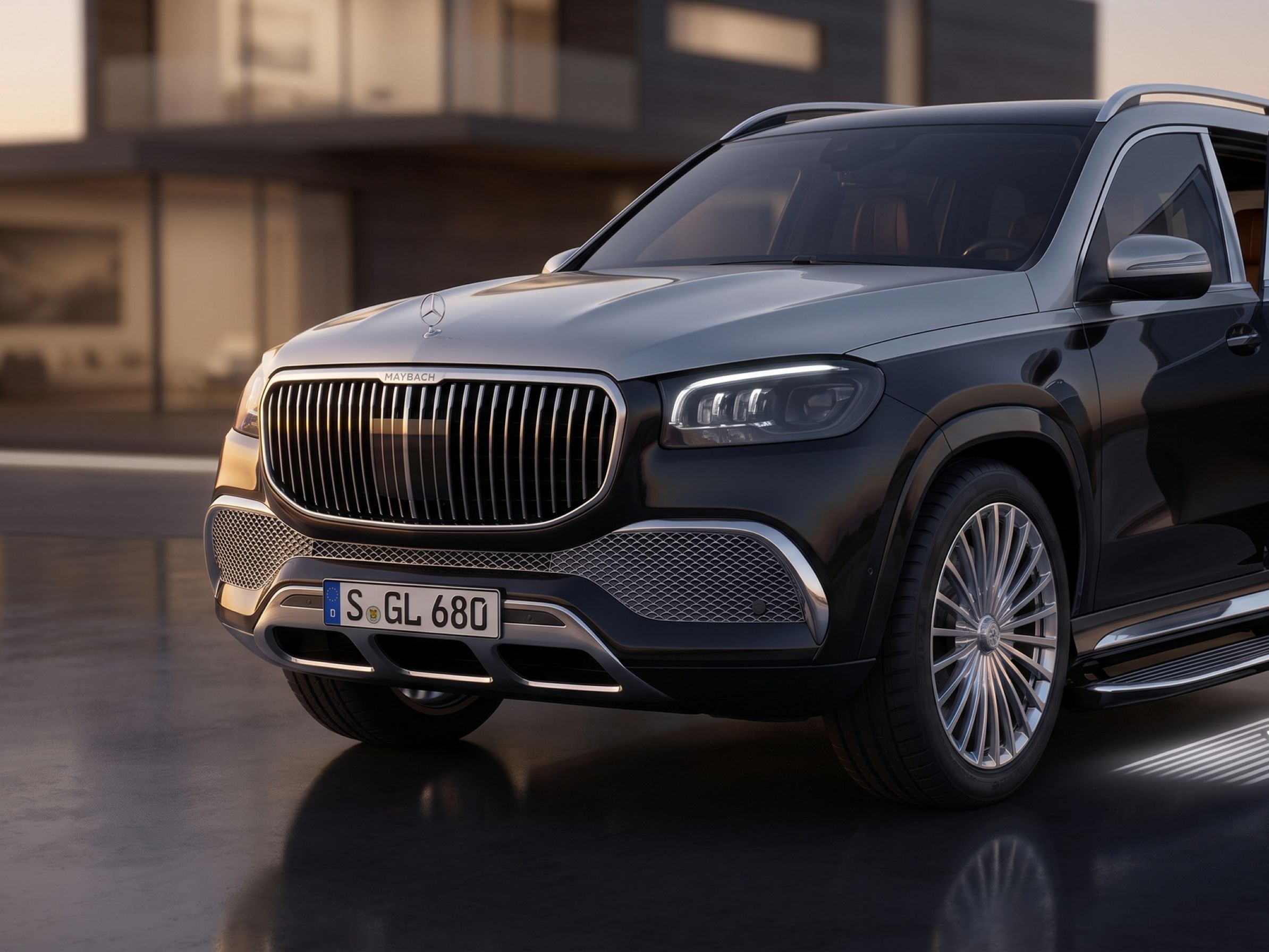
Why Do Facelifts and LCIs Live or Die by Their Lighting Architecture?
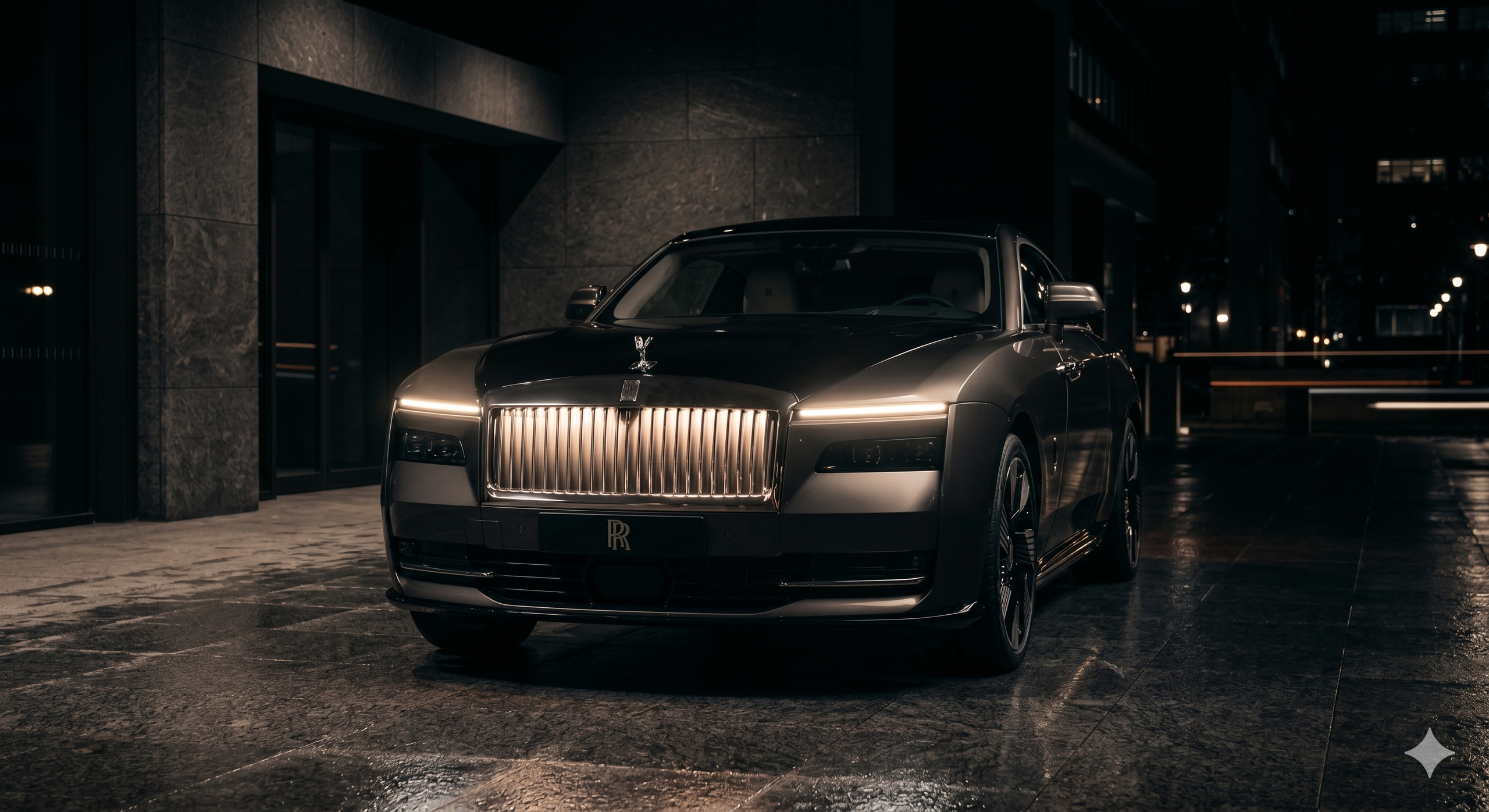
In the modern luxury automotive landscape, the traditional three-year mid-cycle refresh—or Life Cycle Impulse (LCI) in BMW vernacular—is no longer about subtle bumper tweaks or re-profiled exhaust tips. It is an algorithmic war of lumens, crystal diode geometry, and dynamic signature startup animations. If the front grille is a car’s face, the lighting architecture is its soul. For the true automotive purist, a masterfully executed lighting update is the ultimate differentiator between a generic premium vehicle and a bespoke masterpiece of computational art.
Moving Beyond Illumination
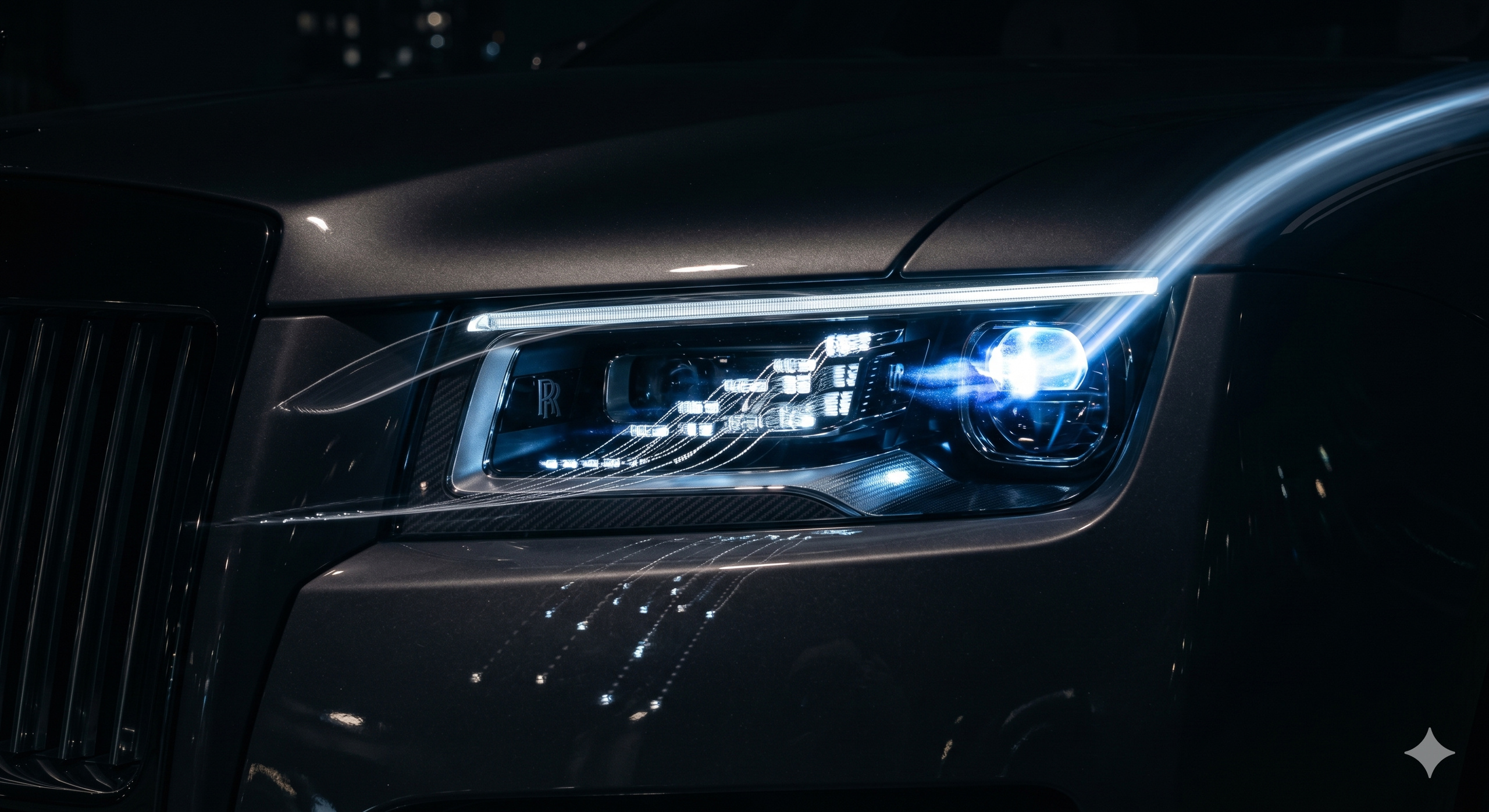
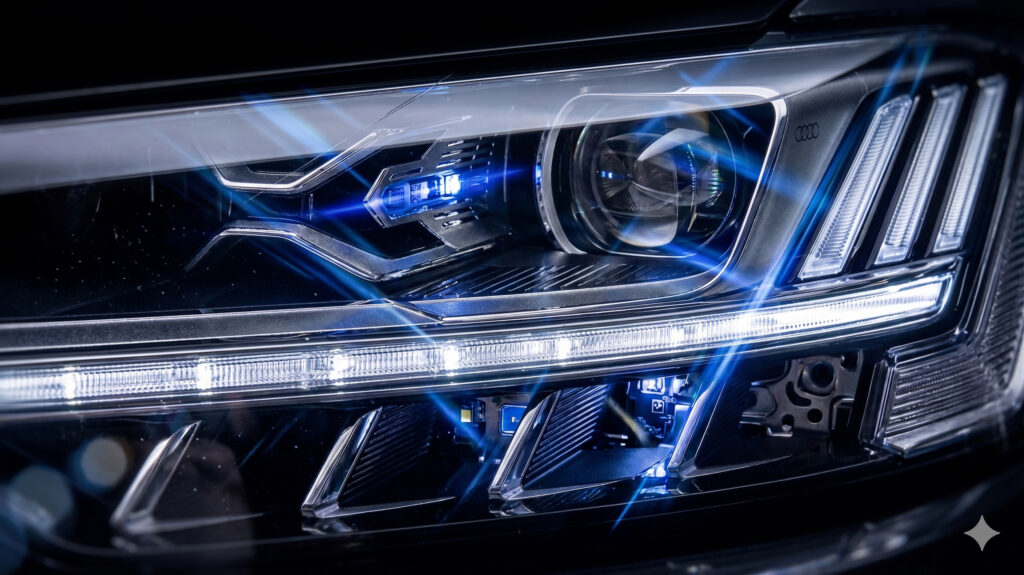
Gone are the days when headlamps were judged solely by how far they could slice through a pitch-black Autobahn. Today, the elite tiers of the industry view headlights as dynamic projection systems. Take Bugatti’s recent hyper-focused quad-LED setups or Audi’s Digital Matrix LED setups that use over a million micromirrors. These are not merely utility features; they are digital installations. A proper LCI completely changes the internal topography of the glass housing. When a manufacturer updates their flagship, a true enthusiast bypasses the marketing sheets and looks straight into the lens cluster to count the individual monochromatic diodes and analyze the precise anti-glare shading lines.
The Obsession with Glass Cutting
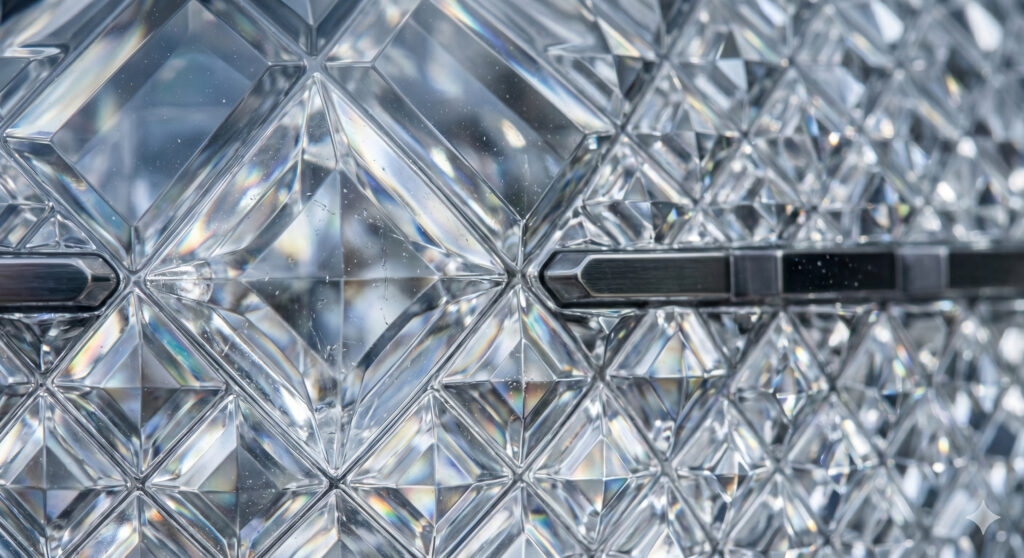
The hallmark of hyper-luxury lighting lies in the physical material science before the current even flows. Consider the intricate laser-etched crystal accents found inside the current G70 BMW 7 Series or the floating diamond-cut motifs favored by Bentley’s Mulliner division. When these brands drop a facelift, the biggest point of adoration is how the internal elements catch ambient daylight even when turned completely off. The three-dimensional arrangement of the inner lenses acts like a luxury chronograph’s dial, reflecting light at mathematically precise angles. A top-tier refresh replaces flat, functional housings with deeply recessed, layered glass art that makes the car look remarkably sophisticated and impossibly expensive.
Micro-Animations as Identity
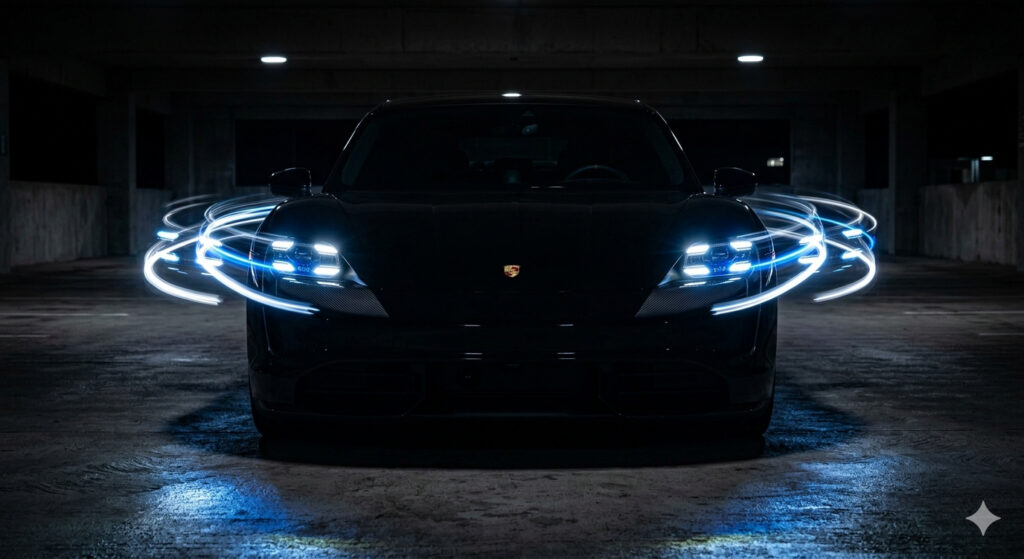
In the 2026 luxury landscape, premium illumination is defined by its choreography. The theater begins the exact millisecond your key fob wakes the vehicle’s ECU. True car geeks live for the sequential startup animations—the precise, fluid sweeping motions where light doesn’t just ignite, but breathes to life.
The cascading activation of DRLs (Daytime Running Lights), followed by a subtle blue hue from laser-high beam modules, tells an immediate story of technical dominance. When a facelift delivers a tighter, faster, more complex animation sequence, it signals an upgrade in the vehicle’s central processing architecture, elevating a simple refresh into a profound mechanical statement.